

County wildlife site- Lanjeth Heath
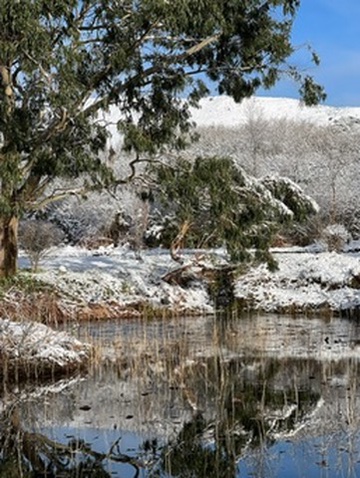
The nursery sits within the 25‑hectare Lanjeth Heath County Wildlife Site (CWS), one of Cornwall’s most important habitats outside SSSIs and SACs. Selected in the 1980s–90s for its distinctive, threatened species and habitats, the heath lies in a valley basin crossed by royal‑fern‑lined streams and a mosaic of wet willow woodland, oak scrub, purple moor‑grass and rush pasture.
Lost Lakes of Lanjeth
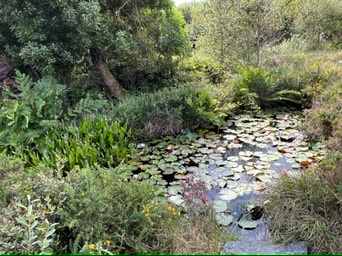
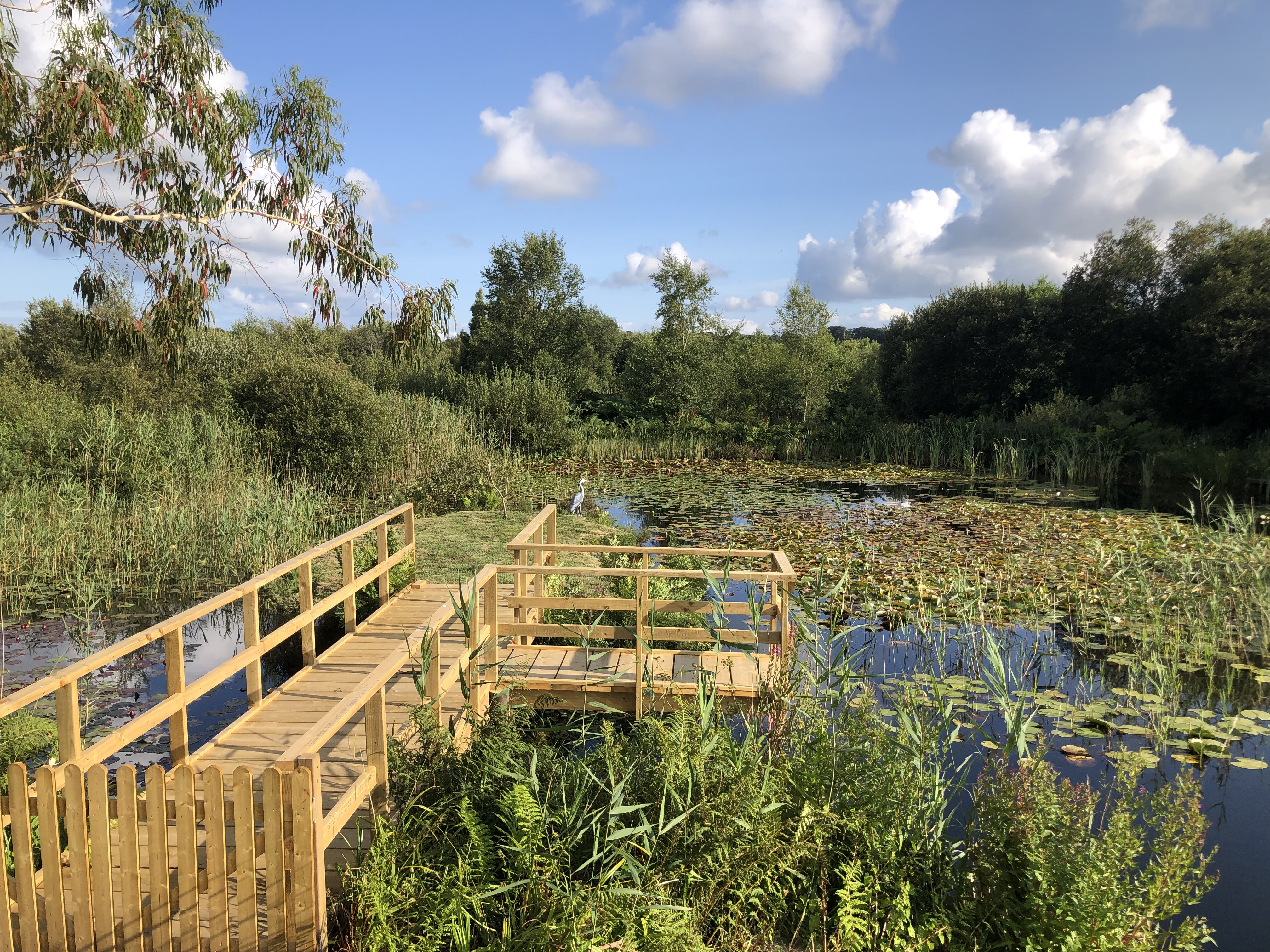
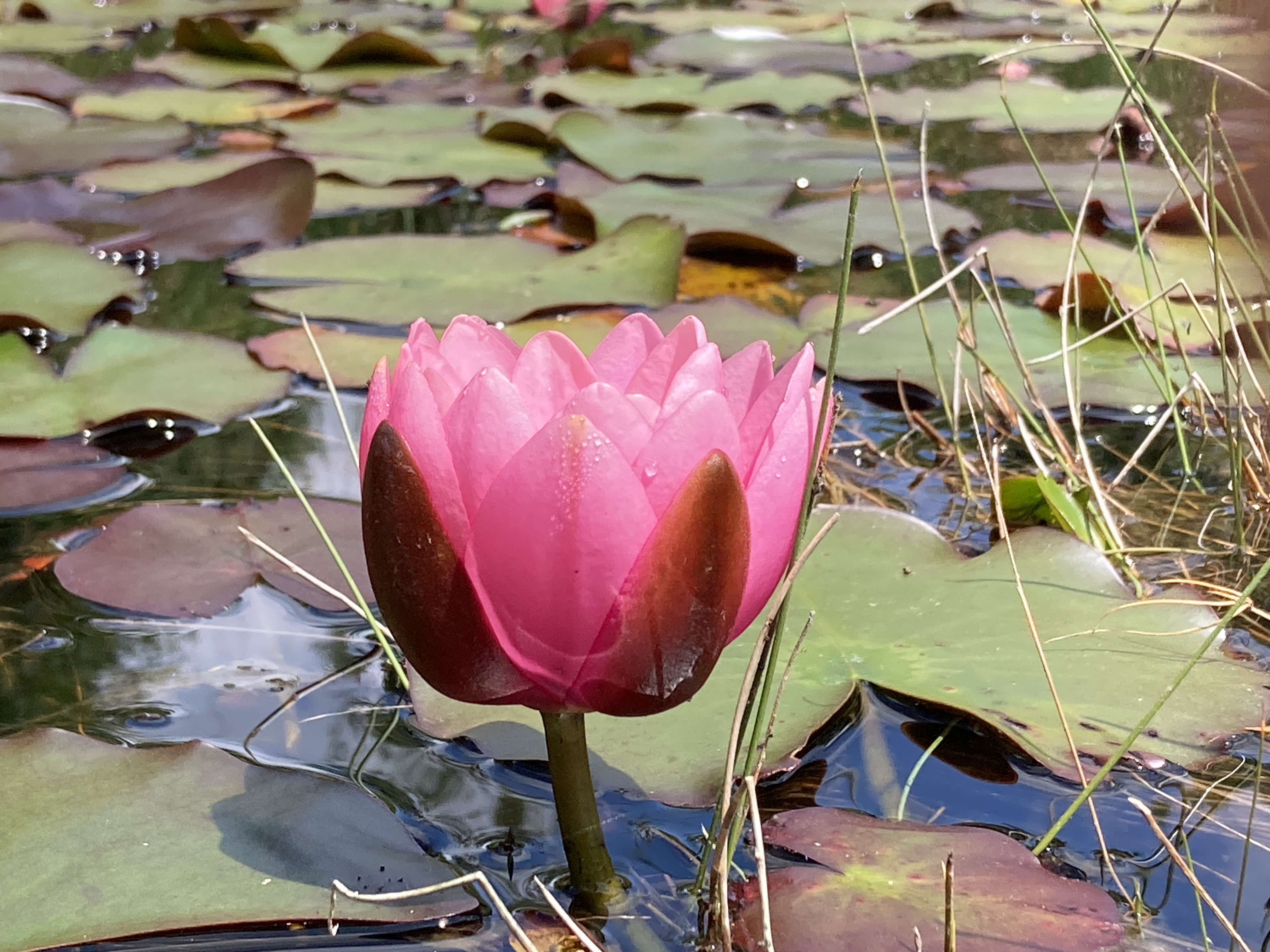
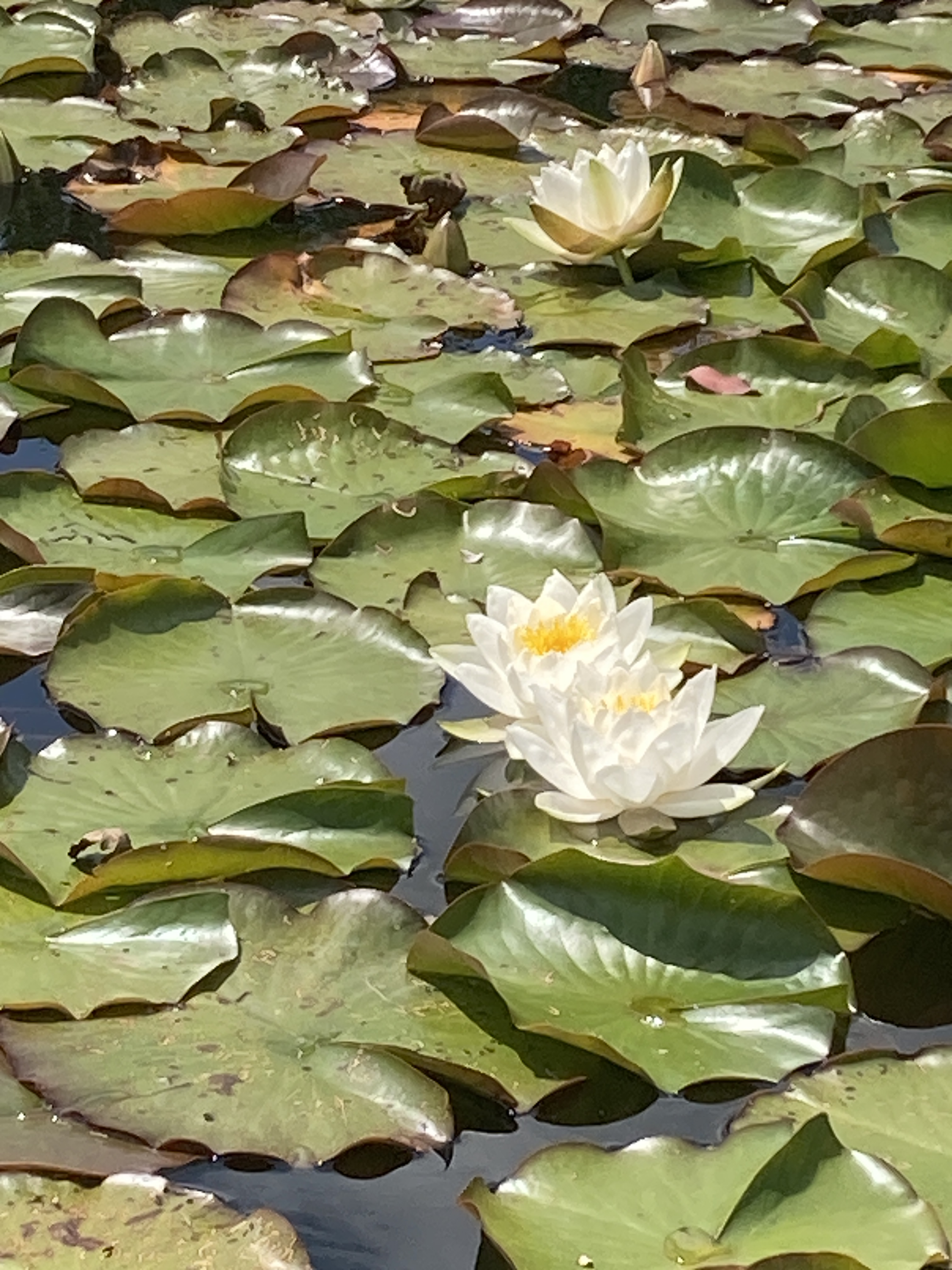
Spread over 13.5 acres, the 130‑plus lakes and ponds—some labelled, many still unnamed—have sheltered waterlilies for half a century. As we restore the site, new streams and hidden pools keep appearing, all spring‑fed for pristine ecology. Expect frogspawn in spring, lilies and dragonflies in summer.
Whilst we try and maintain the wild setting of the site, always take extra care around the pond and lake edges

Woodlands
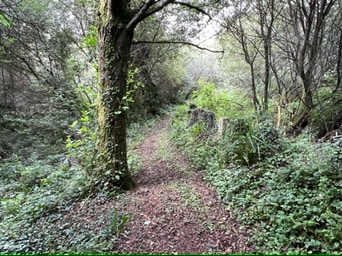
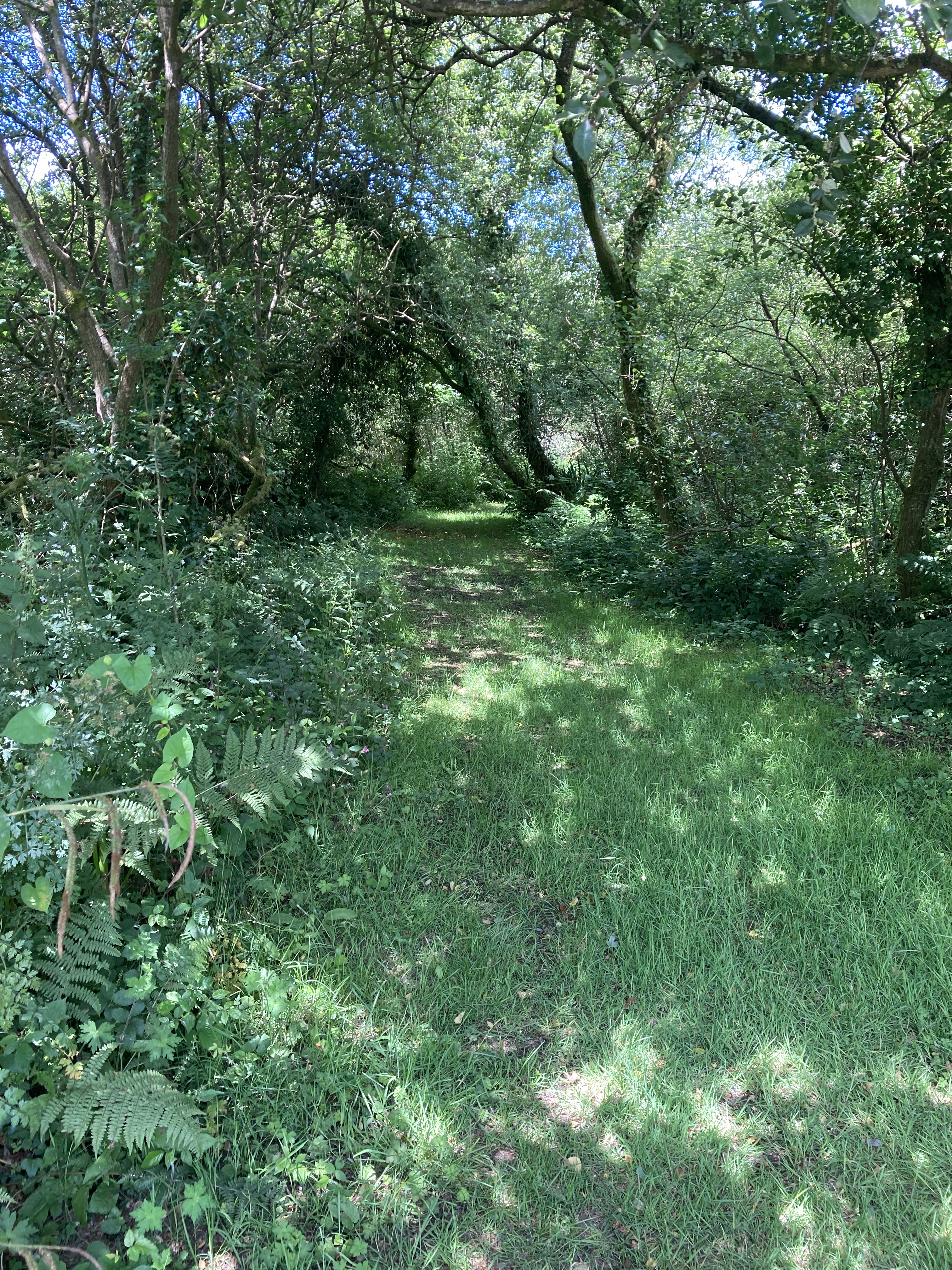
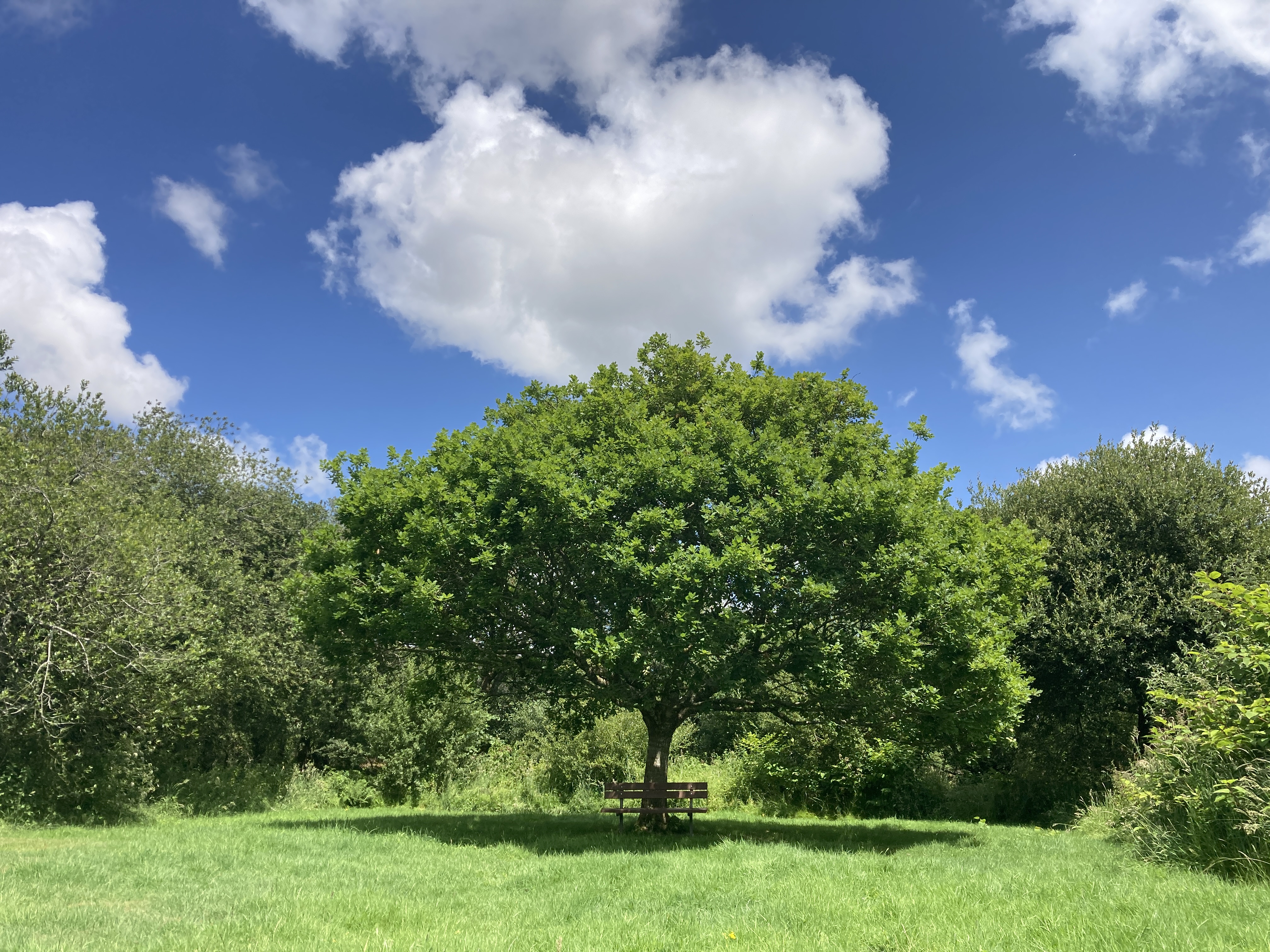
Around the water you’ll see stands of pussy willow, vital habitat and natural screening. Venture further and you’ll reach Badger Wood, our ancient, drier woodland of silver birch and oak—look for disused setts along the way. Two landmark stops:
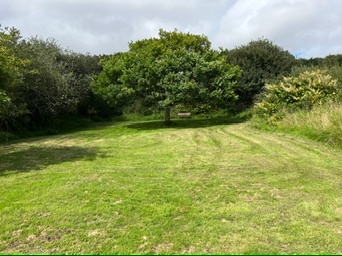
Pooh Corner – an oak so perfect our resident poet nicknamed it after Winnie‑the‑Pooh’s favourite napping spot
Two Trees – mighty oaks once smothered by bramble, now proudly revealed
Plant Life
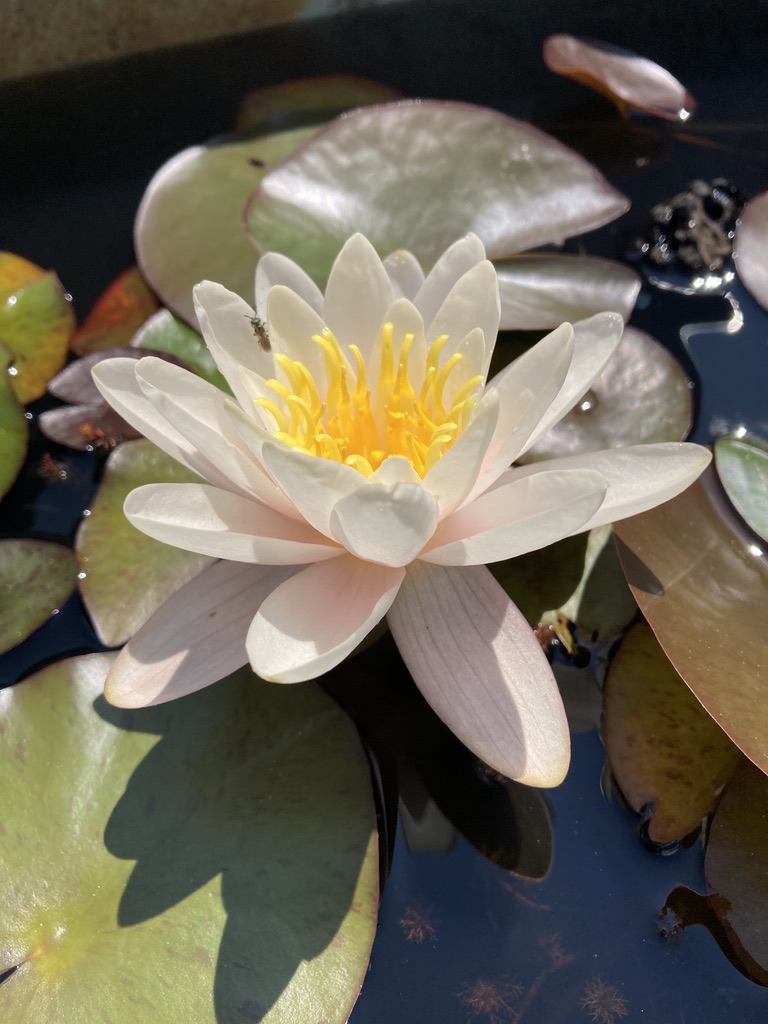
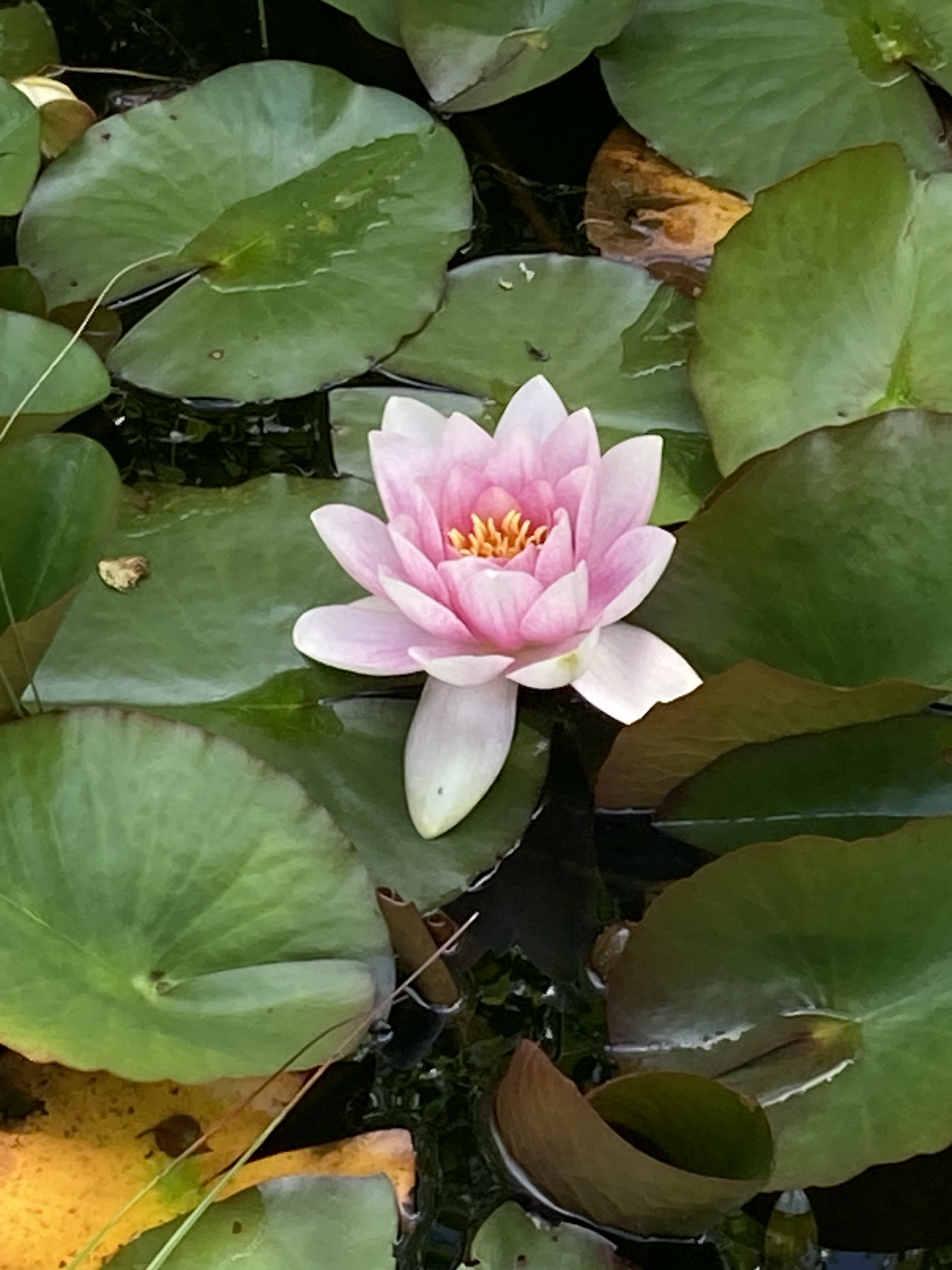
Irises, lilies, marginals and oxygenators thrive across the ponds, joined by bog myrtle, pale butterwort and black bog rush in wetter pockets. The main‑lake lilies steal the show—some rhizomes are enormous, proof of decades of undisturbed growth.

Paths and Walks
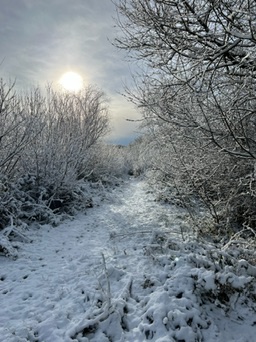
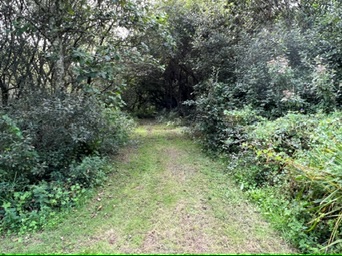
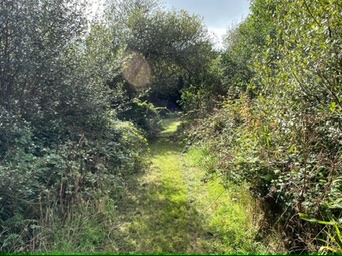
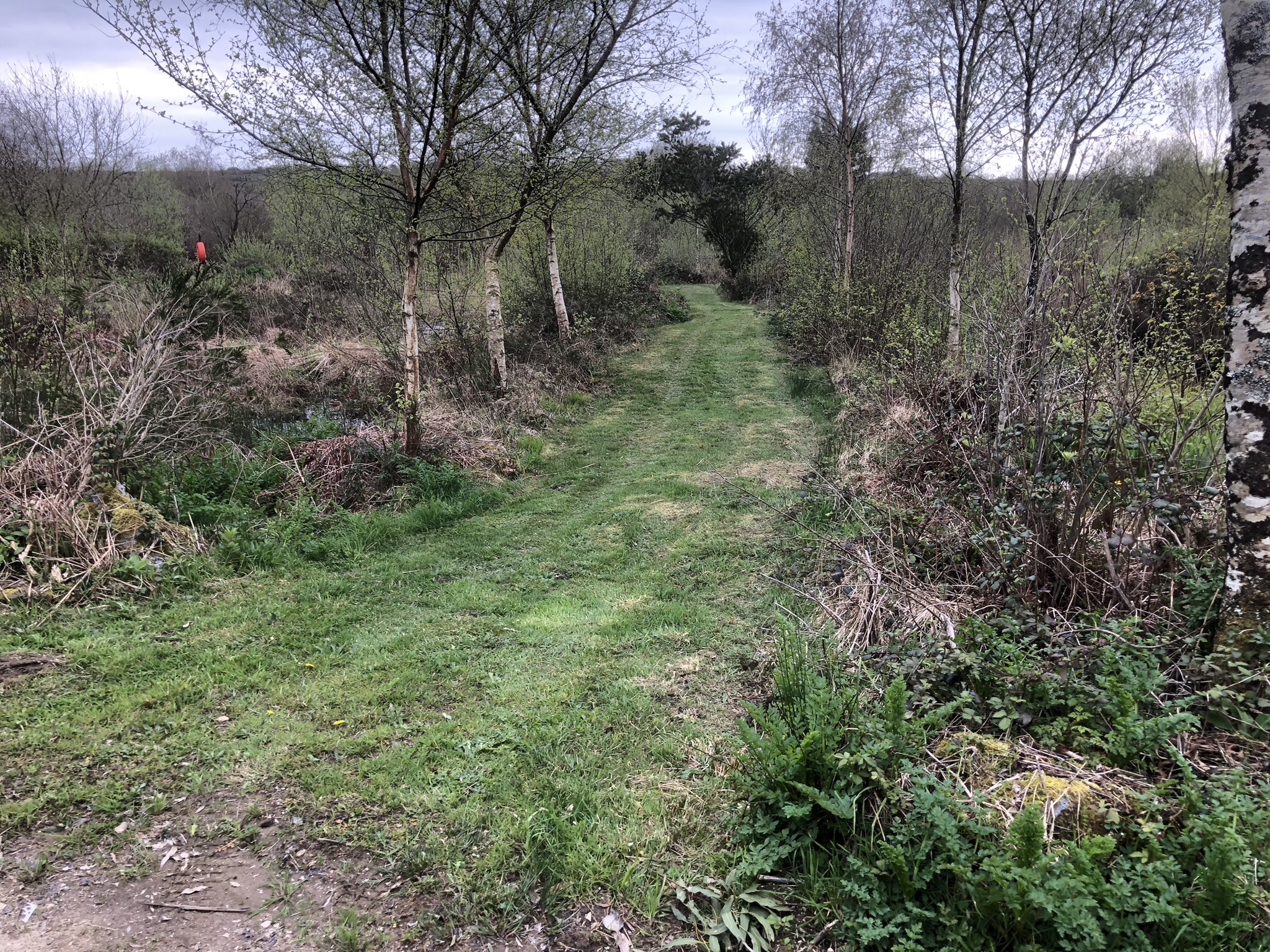
- Family paths – surfaced or mulched routes for buggies, wheelchairs and easy strolling
- Woodland paths – muddier, root‑strewn tracks for the adventurous
All routes are sign‑posted; check the map board near the entrance and café. Benches dot the landscape for quiet pauses.
At the far end lies a fallow wet meadow that offers superb cover for wildlife.
Animals and Insects
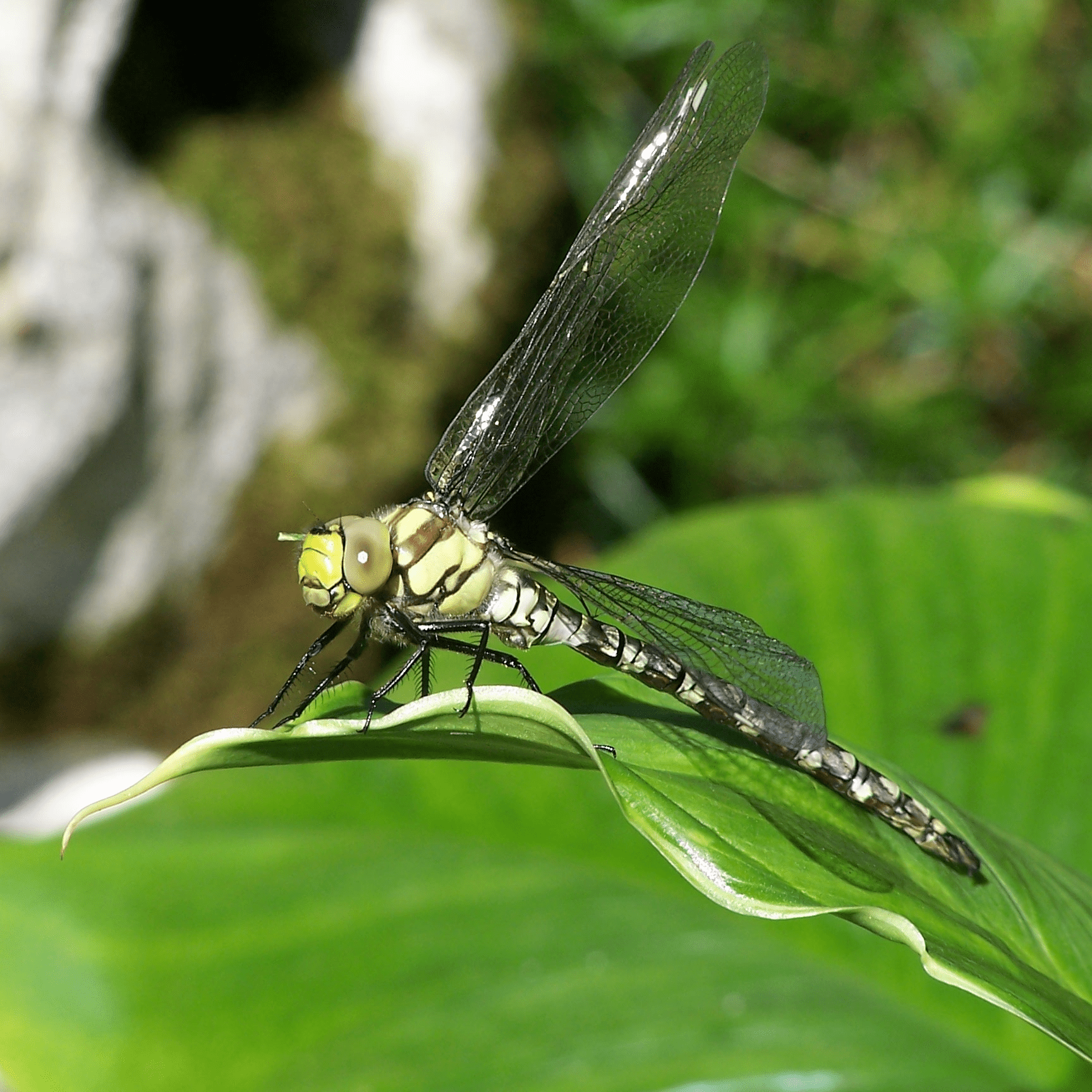
Summer brings clouds of dragonflies; year‑round you’ll meet nosy resident ducks and a vigilant “robin watch” on any crumbs. Bee hives are dotted about—please skirt the flight paths. Seasonal visitors include:
- February: nesting Canada geese
- All year: pheasants from a nearby farm
- Winter: the occasional otter fishing for supper
- Dawn/dusk: roe deer grazing the meadow
 Lanjeth Nursery & Water Gardens